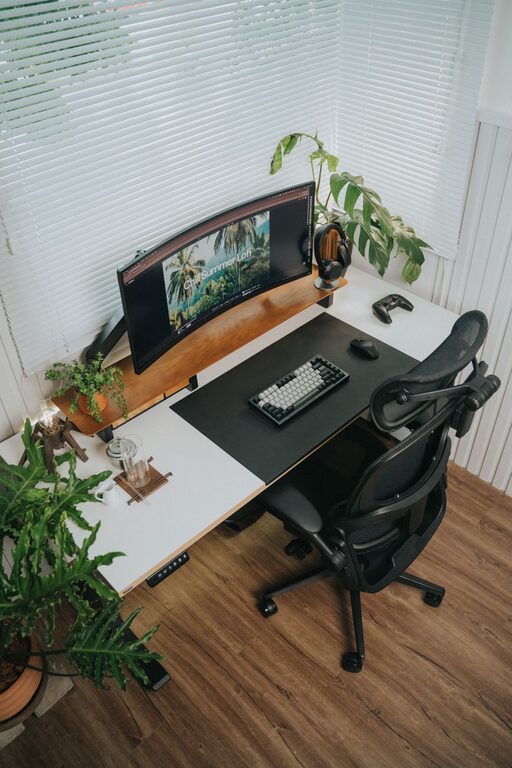
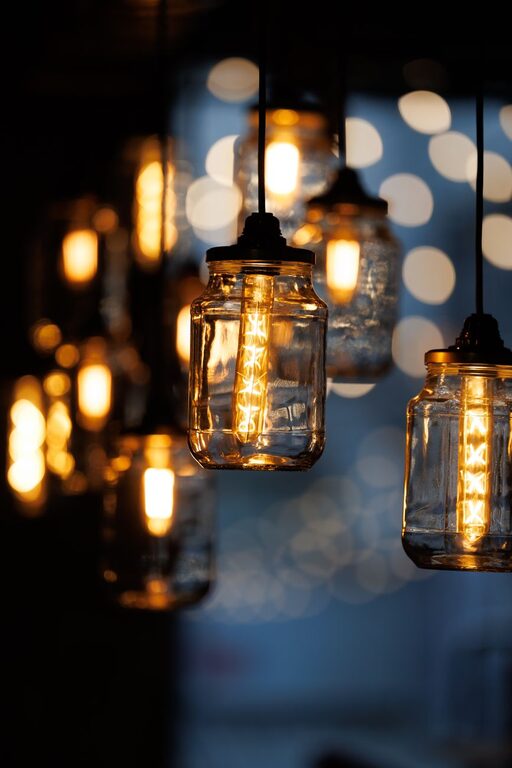
Lighting plays a crucial role in shaping the ambiance and functionality of your home. Choosing the right lighting is not just about style, but also about comfort and practicality. Poor lighting can cause eye strain, disrupt your mood, and make your space less inviting. On the other hand, comfortable lighting enhances your living environment, making your home a pleasant place to be.
In this post, we’ll explore key tips to help you pick comfortable lighting for every room in your home. From understanding light types to positioning light sources effectively, these guidelines will help you create a balanced and welcoming atmosphere.
Understanding the Basics of Home Lighting
Before diving into specific tips, it helps to know the different types of lighting and their impact on comfort.
Types of Lighting
– Ambient Lighting: The main source of light that illuminates the entire room uniformly.
– Task Lighting: Focused light for activities like reading, cooking, or working.
– Accent Lighting: Used to highlight decorative elements or architectural features.
Mixing these types creates layers of light, enhancing both function and comfort.
Light Color and Temperature
Light color, measured in Kelvins (K), affects how a room feels:
– Warm light (2700K-3000K): Cozy, relaxing atmosphere, perfect for living rooms and bedrooms.
– Neutral light (3500K-4100K): Balanced, ideal for kitchens and bathrooms.
– Cool light (5000K-6500K): Bright and energizing, suited for workspaces.
Choosing the right color temperature for each room is key to comfort.
Tips for Choosing Comfortable Home Lighting
1. Consider Natural Light First
Start by assessing how much natural light each room receives during the day. Rooms with ample daylight might need softer lighting options to avoid glare. In contrast, darker rooms benefit from brighter, well-distributed light.
Using window treatments like sheer curtains can help control natural light and reduce harshness without blocking it completely.
2. Prioritize Layered Lighting
Avoid relying on a single overhead light. Combine ambient, task, and accent lighting to provide flexibility and reduce eye strain. For example:
– In the living room, use ceiling lights for ambient lighting, table lamps for reading, and spotlights for artwork.
– In the kitchen, bright overhead lights combined with under-cabinet lights improve visibility during cooking.
Layered lighting allows you to adjust the mood and functionality of a room with ease.
3. Choose Adjustable Fixtures
Fixtures with dimmers or adjustable brightness give you control over the lighting level. This flexibility is essential for comfort, allowing you to brighten a room for activities or dim it for relaxation.
Many modern LED bulbs are compatible with dimmer switches and come with adjustable color temperatures, offering more customization.
4. Select the Right Bulbs
Energy-efficient bulbs like LEDs are ideal for home lighting. They generate less heat, consume less energy, and last longer than traditional bulbs.
When shopping for bulbs, check the Lumens rating (brightness) rather than wattage. For comfortable lighting:
– Living areas: 800-1600 lumens
– Reading/task areas: 450-800 lumens
Also, look for bulbs with a Color Rendering Index (CRI) of 80 or higher to ensure colors appear natural and vibrant.
5. Mind the Position and Height of Fixtures
Proper placement can significantly impact comfort. Avoid positioning lights directly above where people sit or work to reduce glare and shadows.
For example:
– Pendant lights should hang about 30-36 inches above dining tables.
– Floor lamps next to reading chairs should provide light from behind or beside to minimize eye strain.
Experimenting with fixture height and position helps find the most comfortable setup.
6. Use Warm and Soft Light for Relaxation Areas
In bedrooms and living rooms, opt for warm, soft lights that promote relaxation and unwinding. Avoid harsh or overly bright lighting in these spaces, especially near bedtime.
You can also add lamps with fabric shades or frosted bulbs to diffuse light gently.
7. Incorporate Smart Lighting Solutions
Smart lighting systems enable you to adjust brightness, color temperature, and even set schedules via smartphone apps. This technology makes it easier to maintain comfortable lighting tailored to your daily routine.
For example, you can program lights to gradually brighten in the morning or dim in the evening, supporting natural circadian rhythms.
8. Pay Attention to Lighting Fixtures’ Style and Size
While function is vital, the style and size of fixtures contribute to the overall feel of a room. Choose fixtures that complement your home’s decor without overpowering the space.
Oversized fixtures in small rooms or overly ornate designs in minimalist spaces can cause visual discomfort.
Final Thoughts
Comfortable home lighting enhances the quality of your daily life by creating inviting, functional, and visually appealing spaces. By considering natural light, layering different types of lighting, choosing adjustable, energy-efficient bulbs, and carefully positioning fixtures, you can tailor your home lighting to both your needs and style.
Remember, the best lighting feels effortless and supports your activities while making you feel relaxed and at home. Take your time to experiment with different setups until you find the perfect lighting balance for each room.
—
By following these tips, you’ll enjoy a brighter, cozier, and more comfortable home environment every day.
About the Author