
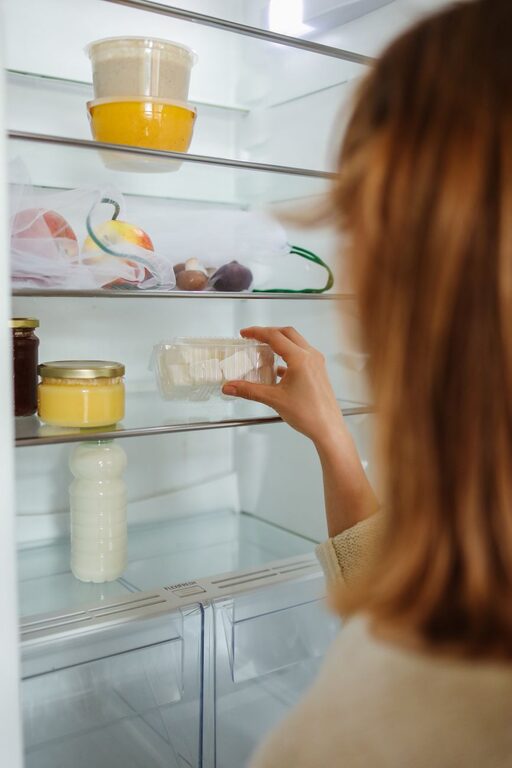
Keeping your fridge and pantry tidy is a great way to streamline your cooking routine and minimize food waste. An organized kitchen not only saves time but also keeps your food fresh longer, helping you stick to a budget. Whether you have a small apartment fridge or a large pantry, these straightforward tips will help you maintain order and cleanliness.
Why Keeping Your Fridge and Pantry Organized Matters
A cluttered fridge or pantry can make it hard to find what you need and can even cause food to spoil before you get a chance to use it. When items are properly stored and easy to access, you can:
– Save money by using food before it expires
– Reduce stress during meal prep
– Make grocery shopping more efficient
– Keep your kitchen hygienic and inviting
Preparing to Organize: What You Need
Before you start, gather the following supplies:
– Cleaning cloths or paper towels
– Mild cleaning spray (like vinegar and water)
– Storage containers and bins
– Labels and a marker
– A trash bag for expired items
Set aside some uninterrupted time, as this process will take 30 minutes to an hour depending on your space.
Step 1: Empty Your Fridge and Pantry
Begin by taking everything out. This allows you to:
– Check expiration dates and throw away expired or spoiled items
– Wipe down shelves and drawers thoroughly
– Assess the amount and types of products you have
As you remove items, group similar ones together (e.g., dairy, condiments, canned goods) to help with reorganizing.
Step 2: Clean All Surfaces
Use a gentle cleaning solution like a mix of water and white vinegar or a mild dish soap. Wipe down shelves, walls, drawers, and door compartments with a damp cloth. Dry everything completely to avoid moisture buildup that encourages mold or bacteria.
Don’t forget to clean the floor around your fridge and pantry area.
Step 3: Sort and Categorize
Organizing by category prevents clutter and makes it easier to find what you need. Common categories for the fridge include:
– Dairy (milk, cheese, yogurt)
– Meats and seafood (store separately in airtight containers)
– Fruits and vegetables (use designated drawers)
– Condiments and sauces
– Ready-to-eat leftovers
In the pantry, sort items into:
– Baking supplies
– Canned and jarred goods
– Pasta, rice, and grains
– Snacks and cereals
– Spices and seasonings
Step 4: Use Clear, Airtight Storage Containers
Transfer items like loose grains, nuts, dried fruits, and snacks into clear containers. This not only keeps pests away but also allows you to see what you have at a glance.
Using uniform storage boxes or bins helps keep pantry shelves neat and makes it easy to pull out an entire section without causing a mess.
Step 5: Label Everything
Label shelves, bins, and containers to remind yourself and other household members where items belong. Labels can be as simple as masking tape and a permanent marker or printed stickers for a cleaner look.
Step 6: Store Smartly in Your Fridge
Keep items in places that suit their needs:
– Meat and fish on the bottom shelf to avoid drips
– Dairy in the main compartment (not the door) for a consistent temperature
– Fruits and veggies in designated drawers to maintain ideal humidity
Use clear bins to group similar items together on shelves. For example, keep all salad dressings and condiments in one bin on the door.
Step 7: Practice FIFO (First In, First Out)
When restocking groceries, place newer items behind older ones. This encourages you to use older products first and reduces waste.
Step 8: Establish a Routine
Maintaining organization requires regular upkeep. Schedule a quick fridge and pantry check once a week or biweekly to:
– Toss expired items
– Wipe up spills immediately
– Reorganize any misplaced items
Keeping a running list of what you use up can also help with grocery planning.
Bonus Tips for a Tidy Fridge and Pantry
– Avoid overbuying. Only purchase what you’ll reasonably use before it expires.
– Keep a small trash or compost bin nearby to dispose of expired products quickly.
– Use adjustable shelves or stackable bins to maximize space.
– Keep a notebook or digital note of pantry staples and essentials to avoid duplicates.
Conclusion
A tidy fridge and pantry contribute to a more efficient and pleasant cooking experience. By regularly cleaning, categorizing, and storing food properly, you reduce waste, save money, and enjoy a clutter-free kitchen. Start implementing these tips today for a fresh and organized food storage area!
About the Author